Why Your Infections Keep Coming Back (It's Probably Not What You Think)
Have you ever finished a treatment for an infection, started feeling better, only to have the same symptoms return weeks or months later?
Whether it's recurring sinus infections, urinary tract infections, yeast overgrowth, digestive issues, or other chronic infections, many people find themselves trapped in a frustrating cycle of temporary relief followed by recurring symptoms.
The question is: Why does this keep happening?
While treating the infection itself is often necessary, Foundational Medicine encourages us to ask another important question:
Why was the infection able to thrive in the first place?
Looking Beyond the Infection
Conventional medicine typically focuses on identifying the specific organism responsible for an infection and selecting the appropriate treatment.
While that approach certainly has its place, it doesn't always explain why some people continue experiencing recurring infections despite repeated treatment.
At Discover Health, we believe it's equally important to understand the environment inside the body—what we often refer to as your internal terrain.
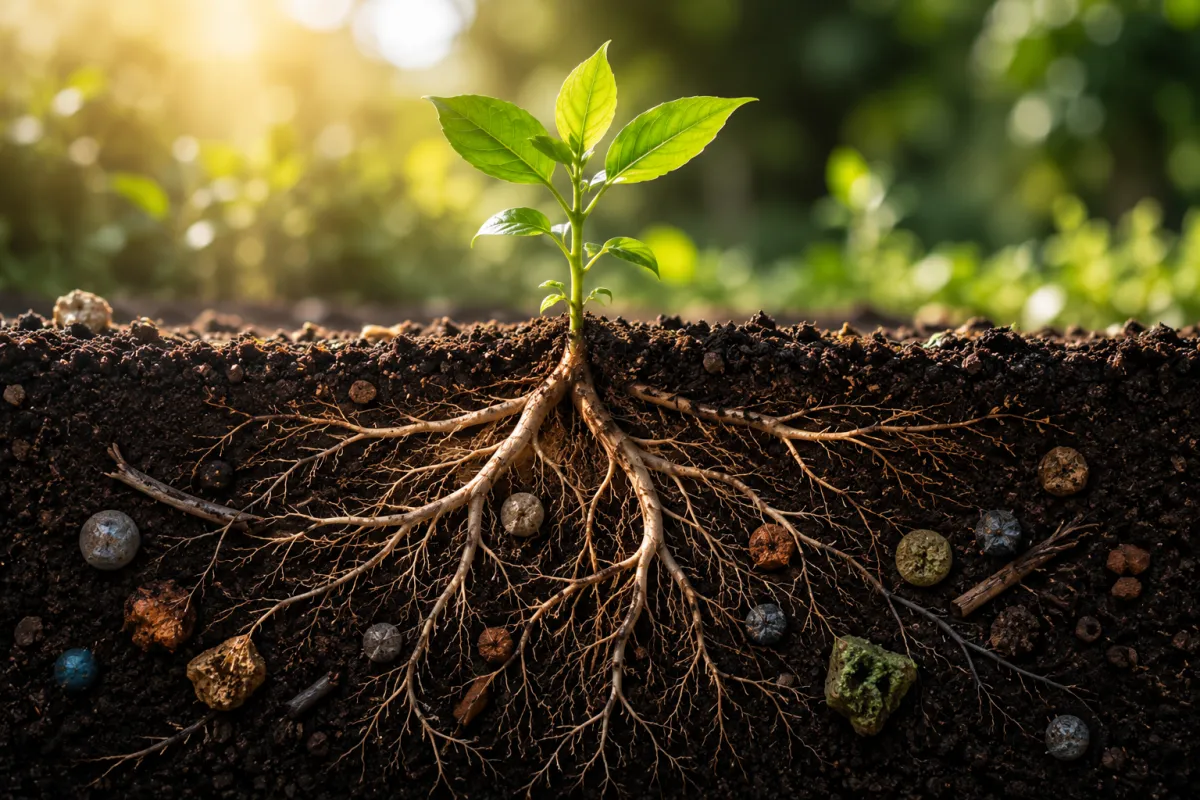
Just as healthy soil helps plants thrive, your body's internal environment influences how well your immune system functions and how resilient your body is to ongoing health challenges.
Understanding Your Internal Terrain
Your internal terrain is shaped by many factors, including nutrition, cellular health, inflammation, detoxification, immune function, and toxic burden.
When these systems are functioning well, your body is generally better equipped to maintain balance and respond to everyday challenges.
However, when toxic burden increases and the body's natural detoxification pathways become overwhelmed, that internal environment can begin to change.
Instead of supporting health, it may become an environment where recurring symptoms are more likely to persist.
Why Infections May Return
Some microorganisms are remarkably adaptable. Under certain conditions, they can survive, change their behavior, and continue affecting the body even after treatment.
This helps explain why simply addressing the organism itself doesn't always create lasting improvement.
If the underlying environment hasn't changed, the conditions that allowed those organisms to thrive may still exist.
That's why Foundational Medicine focuses not only on addressing the infection but also on supporting the body's ability to restore a healthier internal environment.
Supporting the Body's Natural Healing Processes
Creating lasting change often begins with supporting the body's normal functions.
That may include:
Supporting healthy detoxification pathways
Promoting healthy mitochondrial function and energy production
Replenishing important nutrients and minerals
Encouraging healthy liver, kidney, digestive, and lymphatic function
Reducing the overall toxic burden on the body
When these foundational systems are supported, the body is often better equipped to function as it was designed.
A Root-Cause Approach to Better Health
Healing isn't always about fighting harder.
Sometimes it's about creating an internal environment where health can naturally flourish.
By addressing the factors that may be contributing to toxic burden and supporting the body's natural healing processes, it's possible to move beyond simply managing recurring symptoms and begin working toward lasting wellness.
If you've been searching for answers and feel like you're treating the same problems over and over again, know that there may be another way to understand what's happening.
Looking beyond the symptoms and addressing the root cause may be the next step in your health journey.
Ready to Take the Next Step?
