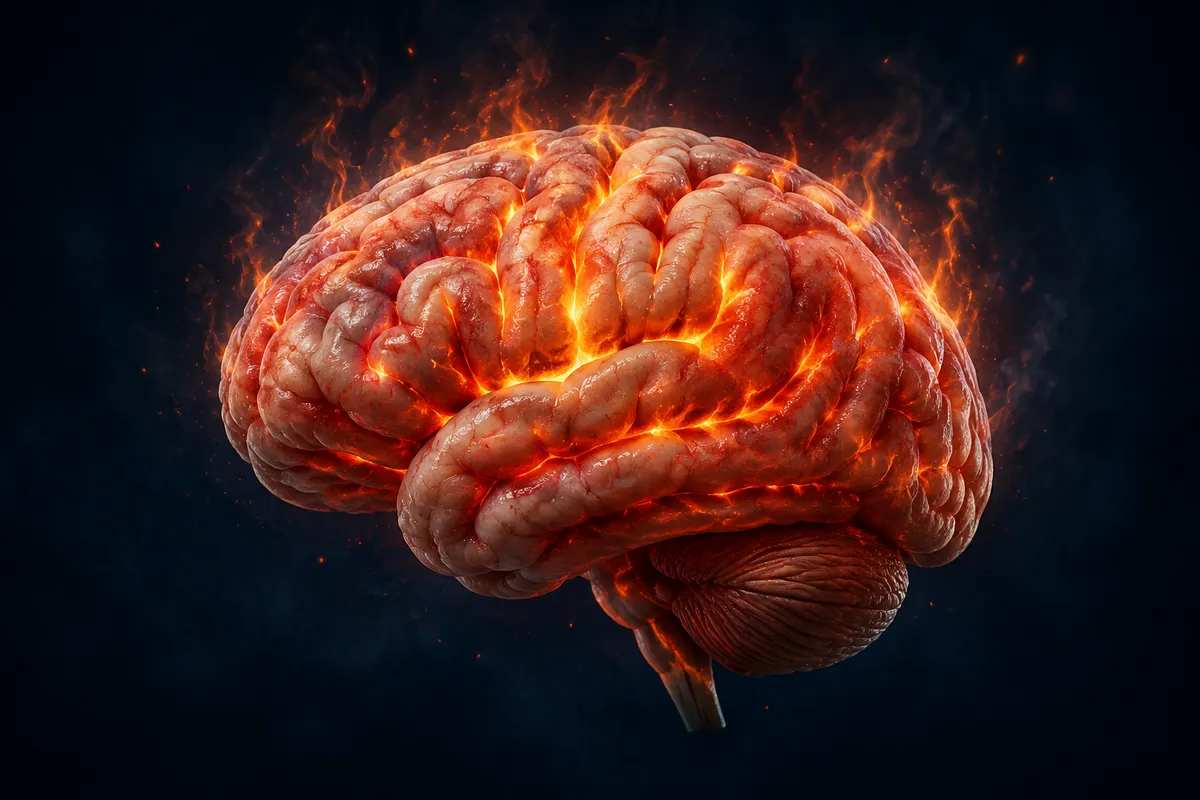
Neuropsychiatric Syndrome: When "Brain on Fire" Is the Real Cause
Last time, we talked about how inflammation in the brain can show up as a sudden change in behavior or mood with no obvious explanation. So what do you actually call this? It has a name, and once you understand it, a lot of confusing symptoms start to make sense.
Why the Medical System So Often Misses This
When the medical system misses, or misdiagnoses, what is really going on in young people as attention deficit or behavior problems, it's often because another inflammatory process is at work. If it's inflammation in the joints, we call it arthritis. If it's inflammation in the lungs, we call it asthma. There are names for inflammation almost everywhere else in the body, but when it shows up as behavior issues or trouble paying attention, the medical system reaches for a label instead of asking what's happening underneath.
What It's Actually Called
This pattern has a real name: neuropsychiatric syndrome. Some people know it as "brain on fire." That name isn't meant to scare anyone, it's simply a description of what is actually happening inside the brain and body.
What It Can Look Like
It can show up as sudden anger or rage that feels completely out of character. New anxiety or panic, sometimes severe enough that someone doesn't want to leave the house. OCD-like rituals or intrusive thoughts that seem to appear overnight. Tics, twitches, or unusual movements that come out of the blue. Big changes in eating, or refusing food altogether. Emotional swings that feel disconnected from what's actually happening around them. In kids, this pattern sometimes gets a specific name, PANS or PANDAS. The same pattern shows up in adults too, it just doesn't get as tidy a label.
"When inflammation shows up in the brain, we don't call it inflammation, we call it behavior, especially in our kids."
Why This Gets Missed So Often
Most doctors simply aren't trained to look at the brain through the lens of inflammation. Conventional medicine tends to sort symptoms into two boxes, physical or psychiatric, and this doesn't fit neatly into either one. This isn't a criticism of doctors. They're doing their best within a model that wasn't designed to catch this. At a broader level, the causes include chronic or stealth infections, environmental toxins and chemicals, mold, physical or emotional trauma, chronic stress, and genetic factors that affect how well someone's body can clear toxins in the first place.
If you've been told it's just anxiety, or just a behavior issue, and you've felt like something is still being missed, understanding why standard evaluations miss this is exactly what we unpack in our free training, Your Labs Are Normal. Now What?
Key Takeaways
Neuropsychiatric syndrome, or "brain on fire," describes inflammation in the brain that produces sudden, out-of-character behavioral or emotional symptoms.
In kids this pattern is sometimes labeled PANS or PANDAS, but adults experience the same pattern without a simple name.
Common causes include chronic infections, environmental toxins, mold, trauma, chronic stress, and genetic factors affecting detox capacity.
A Word of Encouragement
The body was never meant to carry hidden burdens alone, and it often speaks up long before we know how to listen. If you've been told it's "just anxiety" or "just behavior," you are not imagining it, and you are not crazy.
Conclusion
You are not imagining this, and you are not crazy. There is a real, understandable reason behind what you or your child has been experiencing, and understanding it is the first step toward real answers.
If this sounds familiar, join us for our free training, Your Labs Are Normal. Now What? Watch Now
