How Chronic Stress Sends Inflammation Straight to Your Brain
Last time, we talked about the fact that there is real inflammation happening in a lot of these cases, inflammation that standard labs are simply missing. So today's question is the natural next one: how does that inflammation actually reach the brain, and how does it change the way someone feels, acts, or behaves?
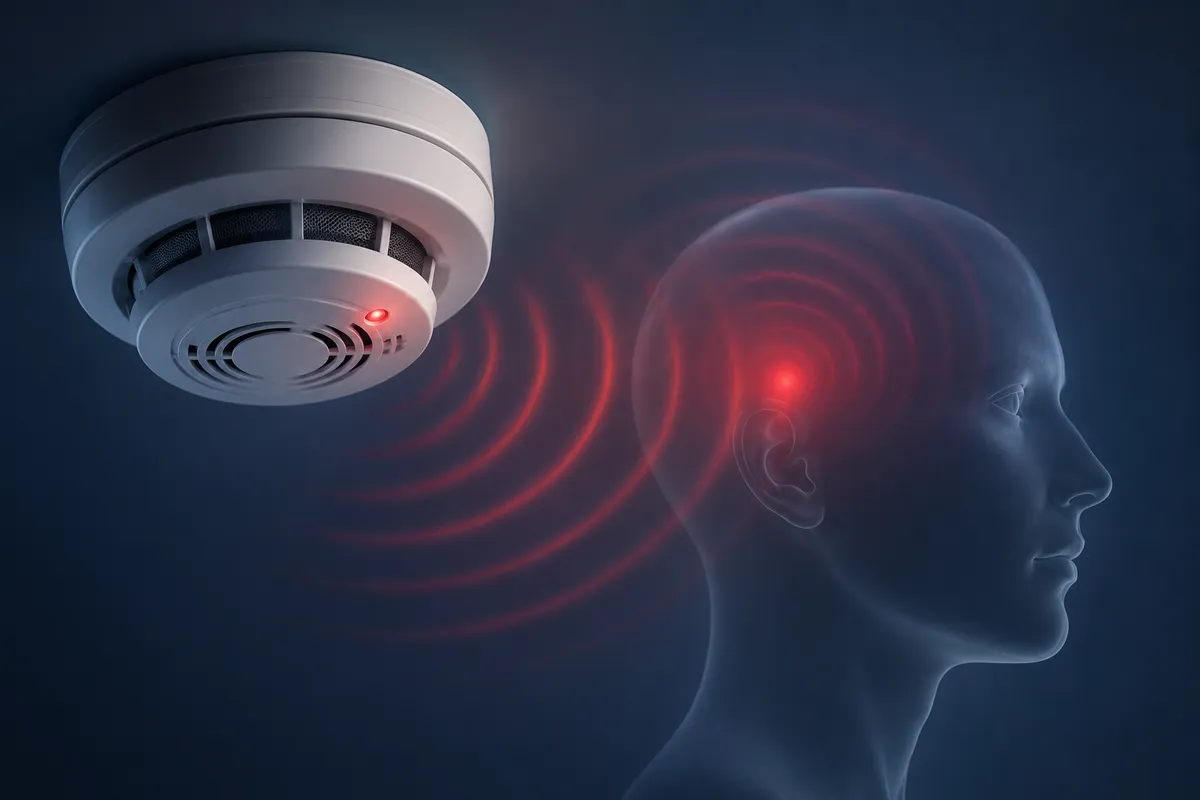
Your Immune System Is Like a Smoke Detector
Think about your immune system like a smoke detector in your house. That smoke detector is supposed to go off when there's a real fire, an infection, an injury, or a toxin exposure, and then reset once the danger has passed. That's how it's supposed to work. But in a lot of chronic cases, that alarm gets stuck in the on position. Even after the original danger is gone, the alarm just keeps going off.
How Stress Turns Into Brain Inflammation
Here's how that happens in simple terms. Ongoing stress activates the body's stress response, things like cortisol and adrenaline. Over time, that stress response actually increases inflammation instead of calming it down. That inflammation can then send signals directly to the brain, and the brain, receiving those signals, changes how it regulates mood, focus, and emotional control.
"Stress doesn't just feel bad, it's actually changing your brain chemistry."
Why This Changes the Order of Treatment
This matters for treatment because in a lot of cases, calming this response down is genuinely the real first step, before ever getting to root causes directly. Supporting the nervous system and helping the body regulate that alarm system often has to come first. It isn't the whole answer, but it's an important early piece of the puzzle.
Understanding what's actually setting that alarm off in the first place, whether it's stress, infections, mold, or toxins, is exactly what we walk through in our free training, Your Labs Are Normal. Now What?
Key Takeaways
The immune system functions like a smoke detector, and chronic stress can get it stuck in the on position long after the original danger passes.
Cortisol and adrenaline from ongoing stress increase inflammation, which sends signals directly to the brain and affects mood, focus, and emotional control.
Calming the nervous system's alarm response is often the necessary first step before addressing deeper root causes.
A Word of Encouragement
"Cast all your anxiety on him because he cares for you" (1 Peter 5:7). The weight of chronic stress was never meant to be carried alone, and there is real, physical relief available once the body's alarm system is finally calmed.
Conclusion
Have you ever felt like your body's alarm was stuck in the on position, or on a hair trigger? You're not alone, and there's a clear, understandable reason why.
If this sounds like you, join us for our free training, Your Labs Are Normal. Now What? Watch Now
